Seventhway Review: Find Premium Jobs Now (Honest Look)
Let me be real with you. Job hunting in India right now is brutal. You apply on Naukri, LinkedIn, or Indeed, and half the time you’re competing with 500 other candidates for the same mid-level role. The callbacks are slow, the job quality is inconsistent, and it starts to feel like shouting into a void.
That’s exactly the situation I found myself in when a friend mentioned Seventhway to me. He’d been in a career transition phase and said this platform had helped him connect with opportunities that felt more “curated” than what the big portals were offering. Naturally, I had to dig in myself.
In this post, I’m going to walk you through everything I found out about Seventhway — what it promises, how it actually performs, who it’s best suited for, and the honest truth about whether it can help you find premium jobs now.
At a Glance: Seventhway Quick Summary
| Feature | Details |
|---|---|
| Platform Type | Job Discovery / Career Platform |
| Target Users | Mid to senior-level professionals |
| Key Promise | Access to premium, curated job opportunities |
| Best Feature | Focused on quality over quantity of listings |
| Pricing | Freemium (verify current plans on site) |
| Verdict | Worth exploring if you’re tired of generic portals |
My Personal Experience with Seventhway
I’ll be honest — I went in skeptical. There are dozens of platforms claiming to offer “premium” jobs, and most of them are just repackaging the same listings you’ll find on every other board.
When I first signed up for Seventhway, the onboarding felt noticeably different from the typical job portal flow. It wasn’t just “upload your resume and search.” There was more emphasis on your career goals, your preferred industries, and the kind of roles you were targeting. That alone told me they were trying to match quality over volume.
The mistake I made initially was treating it like I treat Naukri — just setting up a profile and waiting. That doesn’t work here. The platform seems to reward users who actively engage: refining their preferences, updating their profiles frequently, and being specific about what kind of “premium” opportunity actually means to them. Once I shifted my approach, the relevance of what I was seeing improved significantly.
One thing I observed: the job listings skewed toward companies that don’t heavily advertise on mainstream portals. Whether that’s because Seventhway has specific employer partnerships or a different sourcing model, I can’t say for certain — but it was noticeable.
What Does Seventhway Actually Offer?
Curated Job Listings
The platform’s core claim is that it surfaces premium opportunities — roles at companies that are selective about where they post openings. From what I’ve seen, there’s truth to this. The listings feel less like a flood and more like a filtered shortlist.
Profile-Driven Matching
Seventhway doesn’t just rely on keywords. The platform appears to factor in your career stage, role preferences, and industry focus when surfacing jobs. This makes the experience feel more like a career concierge than a search engine.
Application Tracking
There’s built-in tracking for your applications, which is genuinely useful. Most job hunters I know are managing this through messy spreadsheets — having it in-platform saves real time.
Career Resources (Where Available)
Depending on your plan tier, there may be access to career guidance content, interview prep resources, or resume feedback features. I’d recommend checking the current offerings directly on their site since these can evolve.
How Seventhway Compares to Other Platforms
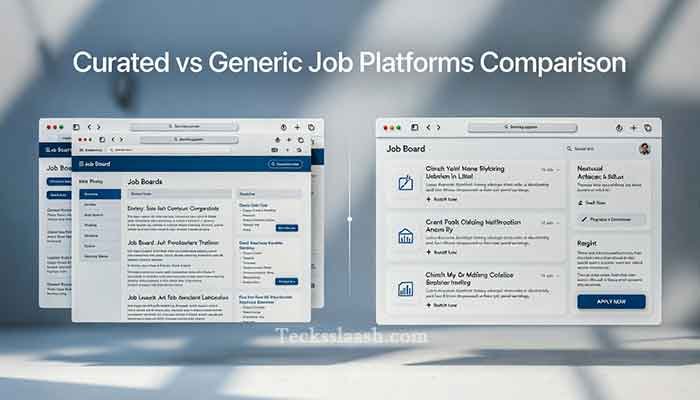
| Feature | Seventhway | Naukri | |
|---|---|---|---|
| Job Quality Focus | High (curated) | Mixed | Mixed |
| Volume of Listings | Lower, selective | Very High | Very High |
| Profile Matching | Yes | Basic | Advanced |
| Employer Brand Variety | Niche + quality | Mass market | All types |
| Networking Component | Limited | Minimal | Strong |
| Best For | Premium job seekers | Mass applications | Networking + jobs |
The honest takeaway here: if you’re a fresher looking to cast a wide net, Seventhway may not be your first stop. But if you’re a mid-career professional tired of irrelevant listings, it fills a gap the big portals don’t.
Who Should Actually Use Seventhway?
Seventhway is likely a strong fit if you are:
- A professional with 3+ years of experience looking to move up
- Someone targeting specific industries or company types rather than spraying applications
- A person who values application quality over application quantity
- In a niche domain where mainstream portals feel oversaturated
It’s probably not the best fit if you need high-volume options quickly, or if you’re just entering the workforce for the first time.
Common Problems & Practical Solutions
Problem 1: Profile Not Getting Visibility Many users set up a profile and go passive. Solution: Treat your Seventhway profile like a living document. Update it every 2-3 weeks, refine your target role preferences, and make sure your summary reflects your current ambitions, not where you were two years ago.
Problem 2: Listings Feel Too Limited If you’re used to Naukri’s volume, Seventhway will feel sparse at first. Solution: Recalibrate your expectations — fewer, better-fit listings is the point. Pair Seventhway with LinkedIn for networking while using this platform specifically for targeted applications.
Problem 3: Uncertainty About Employer Reputation Since some companies here don’t have massive public profiles, you may not recognize them immediately. Solution: Research unfamiliar companies on LinkedIn, Glassdoor, and Tracxn before applying. A less-known company isn’t automatically a red flag — it might be an emerging firm with great culture.
Problem 4: Not Knowing Which Plan to Choose Freemium platforms always create this confusion. Solution: Start with the free tier. Use it for 2-3 weeks actively before deciding if a paid plan’s added features justify the investment for your specific job search stage.
Frequently Asked Questions
Is Seventhway free to use?
Seventhway operates on a freemium model, meaning you can access basic features without paying. Premium plans may unlock additional features like enhanced visibility or advanced filters. Check their official site for current pricing details.
What kind of jobs does Seventhway list?
From my observation, the platform leans toward mid-to-senior professional roles across tech, business, and other white-collar sectors. The emphasis is on quality and fit rather than sheer volume.
Is Seventhway legitimate?
Based on what I’ve explored, it operates as a genuine career platform. As with any job platform, exercise standard caution — never pay to apply for a job, and research employers independently before engaging.
How is Seventhway different from Naukri or LinkedIn?
The key difference is curation. Naukri and LinkedIn prioritize volume and visibility; Seventhway appears to prioritize matching quality and listing selectivity. They serve different needs rather than competing head-to-head.
Can freshers use Seventhway?
It’s not impossible, but the platform seems better optimized for experienced professionals. Freshers may find more immediate traction on broader platforms while building their experience base.
My Final Verdict
Seventhway isn’t trying to replace LinkedIn or Naukri — and that’s actually a good thing. It’s carving out a specific lane: helping professionals who are past the entry-level grind find opportunities that match where they’re actually headed, not just where they’ve been.
If you’re willing to put in the effort to build a strong profile and engage with the platform actively, there’s genuine potential here. The curated approach is refreshing in a landscape that often feels like shouting into a crowd.
My recommendation: don’t abandon your existing platforms, but absolutely add Seventhway into your job search toolkit — especially if you’re targeting a step up in role quality or company caliber. Give it a focused 30-day trial with an actively maintained profile before making any judgment.
Have you tried Seventhway yourself? What’s been your experience with finding premium jobs on newer platforms versus the traditional big portals? Drop your thoughts in the comments — I read every single one.